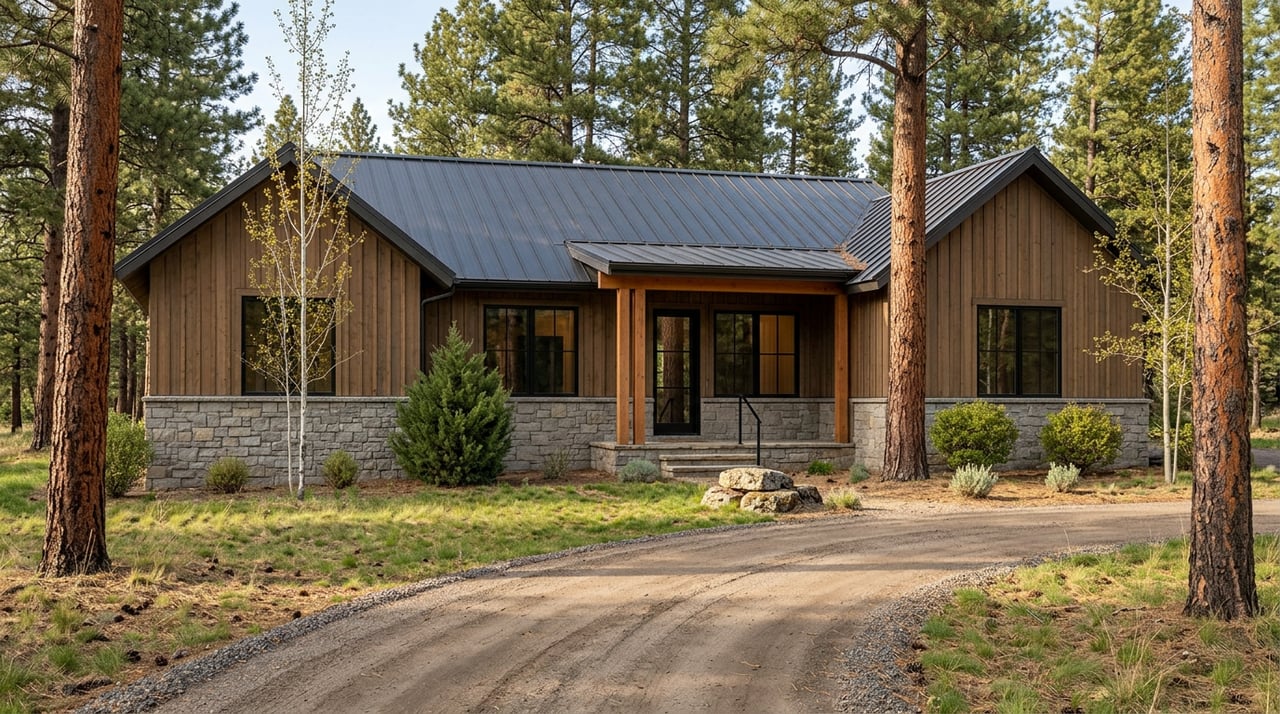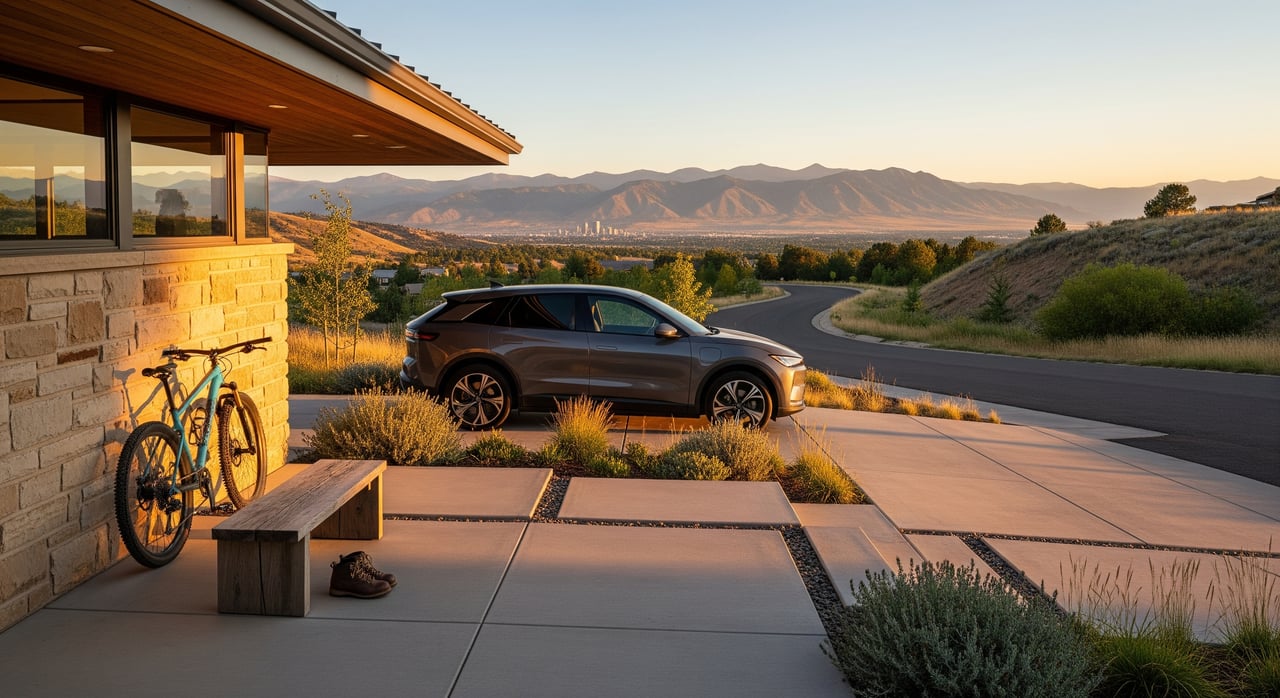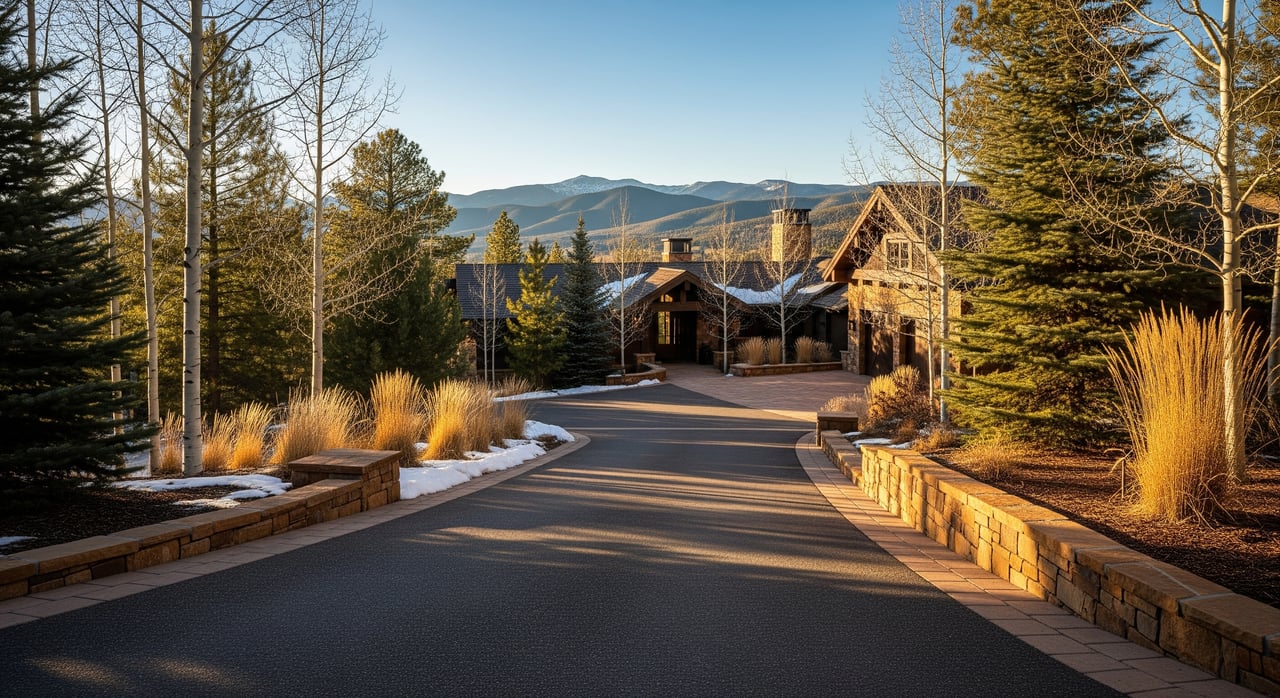
What if a simple detail like which way your driveway faces could change how your winter mornings feel? In Evergreen’s foothills, it often does. When the snow stacks up and overnight lows dip, sun exposure and slope can be the difference between a quick coffee-and-go and an hour of shoveling and sliding. In this guide, you’ll learn why south-facing driveways tend to make daily life easier here, what trade-offs to expect with other orientations, and how to evaluate a driveway before you write an offer. Let’s dive in.
Why orientation matters in Evergreen
Evergreen sits higher than Denver and closer to the mountains, so winters bring colder nights, more frequent freeze–thaw cycles, and snow that sticks around longer. That extra chill means meltwater often refreezes overnight. In winter, the sun rides lower in the sky, and south-facing surfaces receive more direct light. More light means more warmth and faster drying, which is why you often see bare pavement sooner on south-facing drives.
There is another layer to consider. Microclimates matter. Trees, nearby ridges, and valley angles can block the sun even on a south-facing driveway. Two homes on the same street can behave very differently in winter because of shading and topography.
South vs. north, east, and west
South-facing advantages
South-facing driveways usually shed snow more quickly during the day. Light storms may clear naturally with minimal effort. You often deal with less persistent ice and less de-icing. For many buyers who commute or shuttle kids and gear, that added daylight melt can simplify mornings and reduce the time you spend digging out.
North-facing challenges
North-facing driveways tend to hold snow and ice longer. Without direct sun, you often need more frequent plowing or snow blowing, plus more de-icer. Repeated freeze–thaw and shade can also stress the surface over time. A steep north-facing driveway is typically the hardest combination for everyday winter access.
East and west trade-offs
East-facing driveways catch morning sun, which helps with early departures and can reduce morning ice. West-facing driveways warm up later in the day, so they may thaw in the afternoon but can refreeze overnight. If you leave early in the morning, south or east exposures often feel more forgiving.
Slope, traction, and drainage
Orientation is only part of the story. Slope and drainage decide how safe and manageable a driveway feels after a storm.
- Steeper grades raise traction concerns. Combine a steep grade with shade and you get longer-lasting ice and tougher climbs.
- Meltwater needs a place to go. If water flows toward the road and off the surface, you will usually see less sheet ice. If it pools near the garage or at the bottom of the drive, it can refreeze and create hazards.
- Bottom transitions matter. A lip, ditch, or low spot at the street can collect water that turns into ice patches where you need the most control.
Daily life impacts you will notice
Sunny driveways make morning garage access easier. That can mean less scraping, less shoveling in the dark, and a safer path underfoot. If you rely on deliveries or service vehicles, a driveway that clears naturally can help trucks maintain traction and turnaround room after storms. Guest parking stays more usable when the pavement sees sun during the day.
Visibility also improves when the surface is sunlit. Shade can hide slick spots, especially at dawn and dusk. A bit of sun can make icy patches stand out and melt faster, which helps you back out with more confidence.
Maintenance and materials
Snow removal frequency
Shaded or north-facing driveways typically need more frequent clearing. Expect heavier use of snow blowers, plows, and de-icers to keep surfaces passable. South-facing driveways may rely more on solar help during the day, which can reduce labor and cost after lighter storms.
De-icers and surface impacts
Chemical de-icers can be effective for traction, but they can also wear on concrete, corrode metal, and affect landscaping and pets. Asphalt can suffer from repeated freeze–thaw and chemical exposure. Pavers allow targeted repairs, though joints can trap ice. Permeable options help drainage but require thoughtful maintenance in cold climates.
Heated driveway systems
Hydronic or electric heat can nearly eliminate snow and ice on a driveway, but installation and operating costs are significant. Retrofitting an existing driveway is usually more expensive than installing during new construction. Feasibility depends on driveway size, available power or fuel, and your budget for higher utility use.
Long-term wear and repair
Surfaces that see more shade and standing water go through more freeze–thaw stress, which can increase cracking or potholes over time. Where you store plowed snow matters too. Repeated piles in the same spot can damage turf and landscaping, and the resulting meltwater should be directed away from foundations and paved surfaces.
Rules, permits, and HOAs in Jefferson County
In unincorporated Jefferson County, property owners often have responsibilities for clearing adjacent sidewalks or pathways, though requirements vary by area. If a driveway meets a county road or a private road, confirm who maintains the roadway and who pays for plowing. Some subdivisions rely on an HOA or shared agreements for private road maintenance.
Driveway alterations can require permits, especially on steep lots or along county roads. County standards may address maximum grades, drainage, and sightlines for safe entry. Easements or utility corridors can limit where you place snow or how you modify a driveway. Review the plat, title report, seller’s property disclosure, and any HOA documents to understand restrictions before you plan changes.
What to look for during showings
Use this quick checklist to assess a driveway in person:
- Note orientation and shading from trees or nearby ridges. Stand where the car would sit and picture lower winter sun angles.
- Confirm the surface type and condition. Look for cracks, patched areas, potholes, and tire-worn tracks.
- Evaluate slope. If it feels steep on dry pavement, assume winter will be more demanding.
- Trace drainage paths. Where will meltwater flow? Check for channel drains, swales, or grates that keep water off the drive and foundation.
- Check turning radius and space to maneuver a plow or snow blower. Is there room to store snow without blocking sightlines?
- Identify physical barriers like retaining walls, steps, guardrails, or drop-offs that could complicate winter access.
- Inspect the transition to the street for lips, ditches, or low points that can hold ice.
Smart questions before you offer
Ask the seller or listing agent:
- How is snow removal handled and how often is plowing needed in a typical winter?
- Where is plowed snow stored and does it ever block access or sightlines?
- Do icy spots form regularly on the driveway or at the street, and where?
- What de-icers are used and has there been any surface or landscape damage?
- Has the driveway needed major repairs due to freeze–thaw or drainage issues? Any grading changes or permits?
- Are there easements or HOA rules that affect plowing, snow storage, or improvements?
- Is there a heated system under the driveway? Who maintains it and what are the operating costs?
Ask inspectors and contractors:
- What driveway grade is considered workable year-round and are traction aids recommended?
- Is existing drainage adequate or would a French drain, channel drain, or regrade help?
- What are rough costs and feasibility for installing or repairing a heated driveway system?
- What is typical pricing and capacity for local snow removal on steep or narrow drives?
Key takeaways for Evergreen buyers
- Orientation matters. South-facing driveways generally clear faster and require less active snow management.
- Microclimate wins. Trees and topography can make a south-facing drive behave like a shaded one. Evaluate sun access on site.
- Slope and drainage are critical. The best orientation still needs safe grades and effective meltwater management.
- Expect cost differences. Shaded or steep drives often mean more plowing, de-icer use, and long-term surface wear.
- Ask detailed questions. Snow removal history, HOA rules, easements, and past repairs reveal real-life winter usability.
Ready to shop wisely in winter?
A south-facing driveway in Evergreen is not just a nice-to-have. It can shape your daily routine, safety, and seasonal costs. With a careful look at orientation, slope, and drainage, you can choose a home that fits the way you live all year. If you want a local perspective to compare properties and plan for winter access, connect with John Wann for tailored guidance.
FAQs
What makes south-facing driveways better in Evergreen winters?
- They receive more direct sun in winter, which helps snow melt and surfaces dry faster, reducing ice and daily shoveling.
How do microclimates affect a south-facing driveway’s performance?
- Trees, ridgelines, and valley angles can block sun, making a south-facing driveway behave like a shaded one despite compass direction.
Is an east-facing driveway good for early commuters?
- Yes. Morning sun helps thaw surfaces earlier in the day, which can reduce ice risk when you leave.
What should I check about driveway slope before buying?
- Assess how steep it feels, look for ruts or ice scars, and confirm that meltwater drains away from the home and off the surface.
Are heated driveways worth it in Evergreen?
- They reduce snow and ice significantly, but installation and operating costs are high, especially for retrofits, so weigh convenience against budget.
Who is responsible for clearing roads and sidewalks near my driveway?
- Responsibilities vary. Confirm whether you are on a county-maintained or private road and review any HOA rules for snow removal and storage.