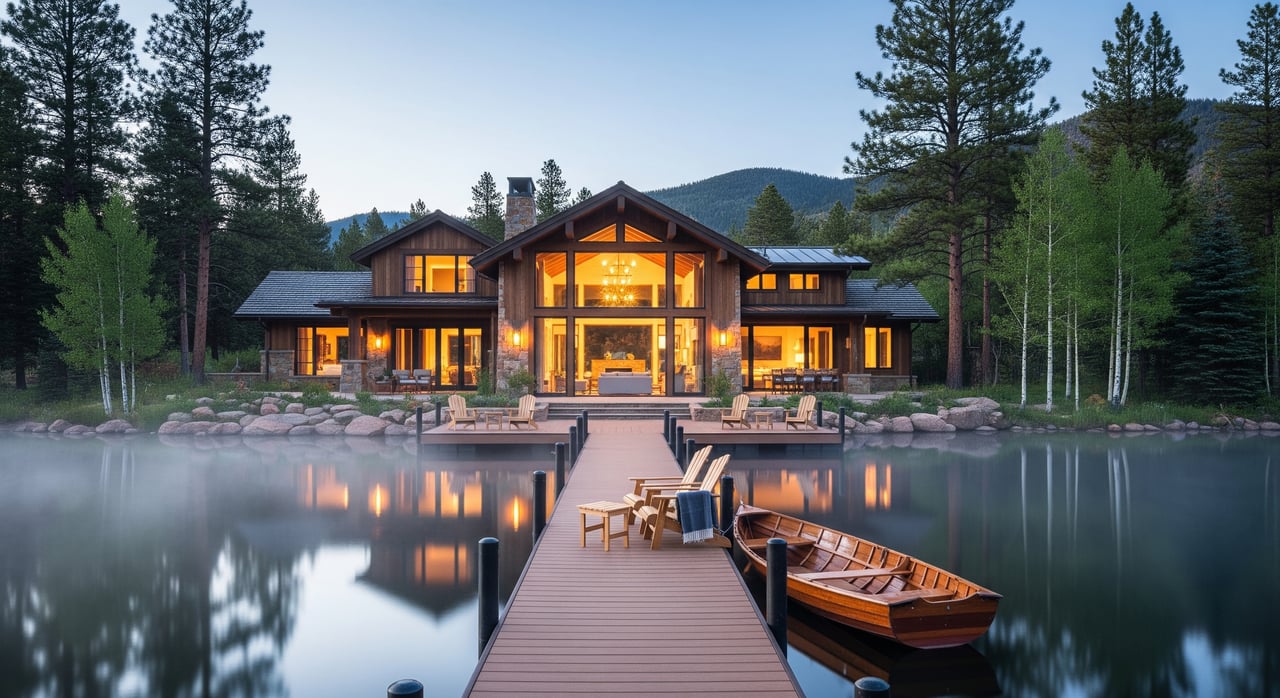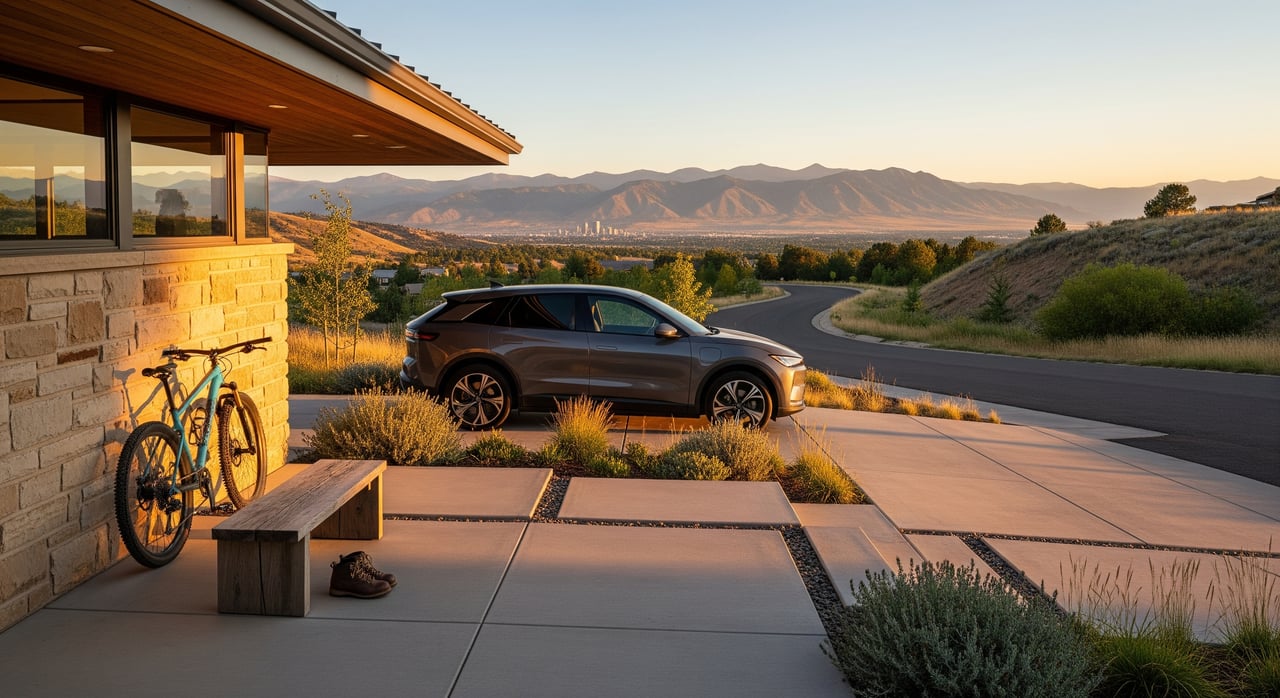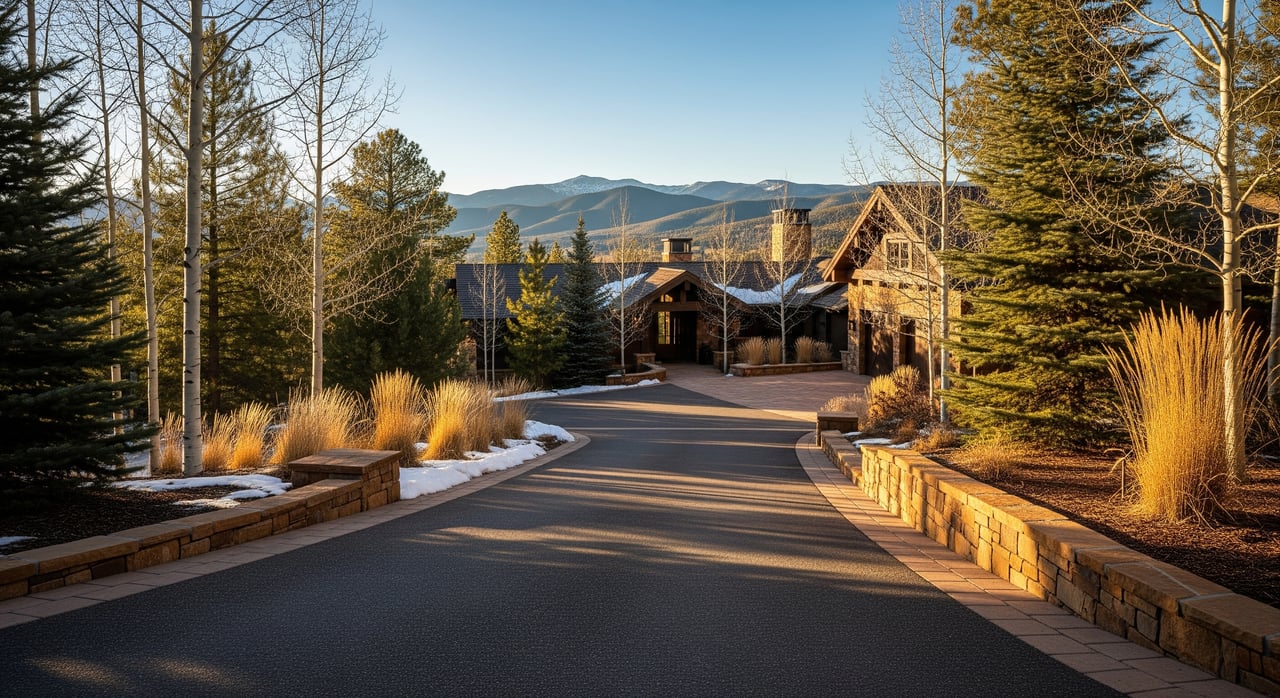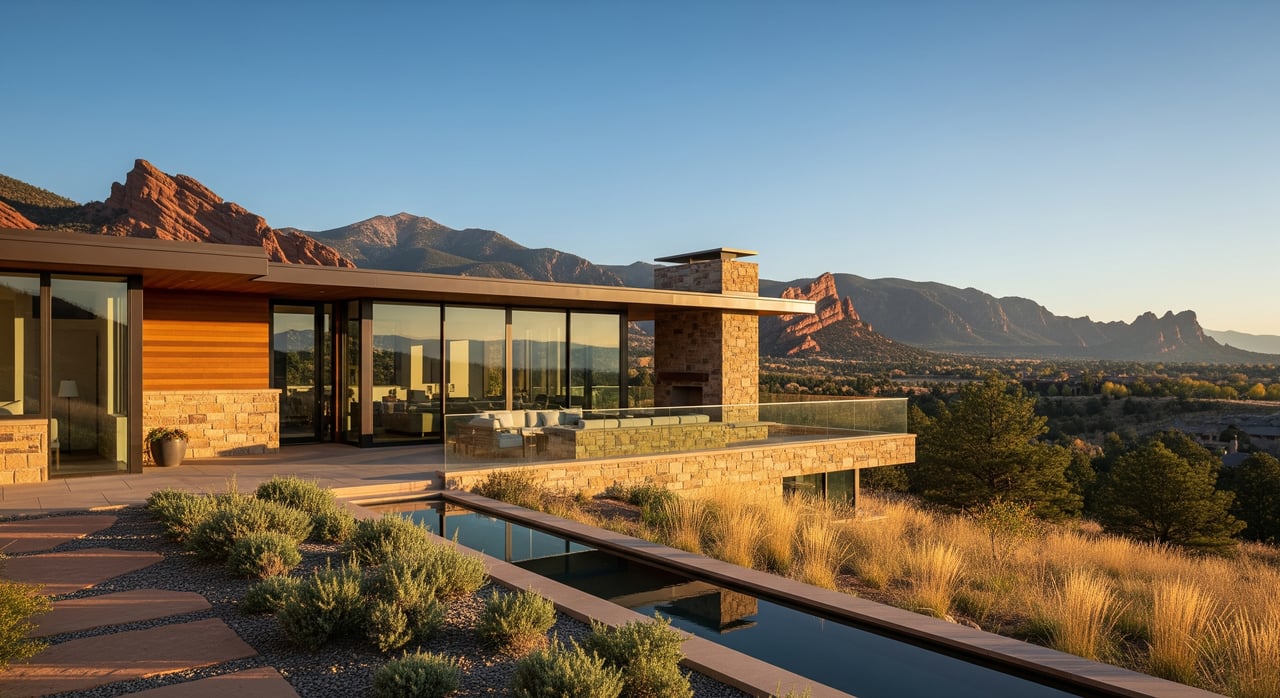
Love the idea of clean lines, big windows, and warm natural materials set against Morrison’s rock outcrops and pines? If you are drawn to that look, you are probably thinking about a mountain contemporary home. It is a style that respects the foothills while giving you modern comfort and effortless indoor to outdoor living. In this guide, you will learn what defines mountain contemporary design, how it adapts to Morrison’s terrain and climate, and what to watch for as a buyer or seller. Let’s dive in.
Mountain contemporary defined
Mountain contemporary, sometimes called mountain modern, blends modern architectural principles with materials and forms suited to the foothills. You will see simple geometry, open floor plans, large areas of glass, and minimal ornament paired with stone, wood, and metal. The look evolved from traditional mountain cabins and mid-century modern ideas, then adapted to the realities of slope, sun, snow, and views.
In Colorado, the term covers a spectrum. Some homes feel like modernized cabins with subtle updates. Others are fully contemporary residences terraced into hillsides. The common thread is a strong connection to the site and the outdoors.
Key design elements you can spot
Massing and form
- Asymmetry and simple geometric volumes. Think stacked boxes, varied roof planes, and stepped wings.
- Terraced layouts that follow the slope. Walkout lower levels and multi-level decks are common.
- Lower-profile or shed roofs that still handle snow and sun.
Why it matters in Morrison: Many lots near Red Rocks and Bear Creek have real grade changes. Stepped massing preserves your views and reduces visual bulk from the valley below.
Materials and finishes
- A durable palette: native or compatible stone, warm woods, dark metal roofing or accents, glass, and sometimes smooth stucco or cement board.
- Contrast is part of the look. Rough stone sits next to sleek glass and metal.
- Foothill durability matters. Freeze and thaw, snow, UV, and de-icers can be hard on surfaces. Specify frost-resistant veneer, UV-stable finishes, and corrosion-resistant metals.
Window design and glazing
- Large glass areas are a hallmark. Floor-to-ceiling windows, corner glass, clerestories, and wide sliders maximize views and daylight.
- Slim, often dark window frames support the modern feel.
- Performance is key. In Morrison’s climate, prioritize high-performance double or triple pane low-E glass with a suitable U-factor and solar heat gain value. The U.S. Department of Energy’s guidance on energy-efficient windows is a smart reference when you evaluate specs.
Pro tip: South-facing glass with proper shading can give you passive solar benefits in winter while managing summer heat.
Indoor to outdoor flow
- Seamless transitions with large sliding or stacking doors and low thresholds.
- Covered patios, outdoor kitchens, and fire features extend living space.
- Orientation is everything. Outdoor areas are usually placed for views and solar gain while staying out of prevailing winds. Native grasses, xeric plants, and rock terracing help blend hardscape with the natural landscape.
Color palette and details
- Neutral, nature-inspired colors: charcoal, gray, muted browns, and natural stone tones with black or warm metal accents.
- Minimal, integrated details: simple hardware, concealed gutters, and clean lighting lines.
How the style adapts to Morrison
Climate and site factors
Morrison sits in the Jefferson County foothills, so you get colder nights than the plains, real snow events, high UV, and microclimates shaped by elevation and canyons. Design responds with robust exterior assemblies, excellent flashing, snow-shedding roof details, and disciplined insulation and air sealing.
Site exposure matters. Steep grades, exposed rock, and mature trees are common. Solar orientation and wind exposure influence window sizing, deck comfort, and energy performance.
Wildfire and defensible space
Wildfire awareness is essential in the foothills. Good mountain contemporary design pairs beauty with resilience. Metal roofing, noncombustible or fire-resistant siding, limited use of unprotected combustible decks, and ember-resistant details are all smart choices. Follow the Colorado State Forest Service’s wildfire mitigation guidance for defensible space and materials.
Permitting, zoning, and covenants
For new homes or significant exterior remodels, you will work through local permitting. Hillside and view corridor rules, setbacks, and stormwater or erosion controls can apply. Start by reviewing Jefferson County Planning and Zoning resources, then confirm local requirements for the specific property. Many subdivisions have architectural review boards that influence rooflines and material choices, so always verify covenants.
Action step for buyers and sellers: Confirm permitted plans, recent remodel permits, and any recorded covenants that affect exterior changes before you go to market or submit offers.
Neighborhood context and fit
Around Morrison, you see a range of settings: historic downtown parcels, canyon-edge homes, and small-acreage properties with views toward the foothills and sometimes the Denver skyline. Mountain contemporary fits hillside parcels especially well, offering panoramic views, efficient layouts, and strong ties to outdoor recreation like hiking and concerts at Red Rocks.
Buyer guide: how to refine your search
Must-haves vs. nice-to-haves
Must-haves to consider:
- View orientation and primary-level living if that suits your lifestyle.
- Quality glazing and daylighting alongside a sound building envelope.
- Usable outdoor living that works with sun, wind, and privacy.
Nice-to-haves:
- Integrated modern finishes and seamless material transitions.
- A gas fireplace or modern masonry hearth for ambiance.
Site checklist
- Slope and driveway access in winter.
- Privacy and solar orientation for both interiors and decks.
- Wildfire exposure and defensible space opportunities.
- Proximity to trailheads or Red Rocks if that supports your routine.
Systems and performance
- HVAC sized for high ceilings and large window walls.
- Window performance details and weatherstripping condition.
- Roof, gutters, and grading for water and ice management.
Lifestyle fit
- Maintenance expectations for wood finishes, metal, and expansive glass.
- Landscaping needs and irrigation strategy for xeric areas.
- Storage and furnishings that suit minimal, clean-lined interiors.
Seller guide: how to position your home
Presentation that sells the style
- Photography that leads with views, indoor to outdoor transitions, and twilight shots to showcase glazing and lighting.
- Simple, clean staging that highlights material contrast: stone, wood, and metal.
- Define outdoor spaces clearly with furnishings, lighting, and seasonal touches.
Smart pre-sale updates
- Improve drainage and defensible space. Safety and resilience resonate with foothill buyers.
- Service or replace underperforming windows. Fogged units or dated glass are red flags.
- Refresh exterior finishes and ensure decks and railings meet modern standards.
- Update outdoor lighting and hardscape to enhance evening ambience.
Marketing language that is clear
Use straightforward phrases that buyers understand: mountain contemporary or mountain modern, indoor to outdoor living, panoramic foothill views, and low-maintenance modern finishes. Keep jargon to a minimum unless visuals make it obvious.
Resale considerations in Morrison
Mountain contemporary homes appeal to buyers who want modern interiors and easy connection to the outdoors. On hillside lots with strong views, the style can command a premium relative to similar-size homes that lack optimized glazing, decks, or updated finishes. That said, value depends on the lot, the quality of execution, and how well technical details were handled.
Watch for risk factors that can erode resale value:
- Unique or highly personal detailing that limits broader appeal.
- Technical missteps like leaky window installations or thin insulation.
- Unpermitted work or covenant conflicts that complicate appraisals and approvals.
A neutral, durable material palette and documented permits help reduce friction at inspection and contract stages.
How to move forward with confidence
If you love the look and lifestyle of mountain contemporary, focus your search or pre-sale plan on the pieces that matter: glazing performance, durable exterior materials, site orientation, and outdoor living that truly works in the foothills. Lean on official guidance when you evaluate technical items like window specs or wildfire mitigation. The Department of Energy’s window recommendations, Colorado State Forest Service resources, and Jefferson County Planning and Zoning are great starting points.
Ready to explore options in Morrison or prepare your home for market? Let’s talk through your goals, the nuances of your lot, and the best path to results. Schedule a personal consultation with John Wann.
FAQs
What is a mountain contemporary home in simple terms?
- It is a modern residence that blends clean lines and large windows with mountain-ready materials like stone, wood, and metal, designed to fit sloped sites and capture views.
How does mountain contemporary differ from rustic mountain style?
- Mountain contemporary uses simplified forms and modern materials, while rustic mountain often features heavier timbers, logs, and more decorative detailing.
Are big glass walls a problem for energy bills in Morrison’s climate?
- Not if they are high-performance low-E windows sized and oriented well. The Department of Energy’s guidance on energy-efficient windows explains what to look for.
What wildfire considerations should I plan for in the foothills?
- Use fire-resistant roofing and siding, manage defensible space, and reduce ember risk. The Colorado State Forest Service’s wildfire mitigation page outlines best practices.
What permits or reviews apply to exterior changes near Morrison?
- Significant exterior work often requires permits and may trigger hillside, drainage, or view corridor rules. Start with Jefferson County Planning and Zoning and confirm any HOA architectural review requirements.