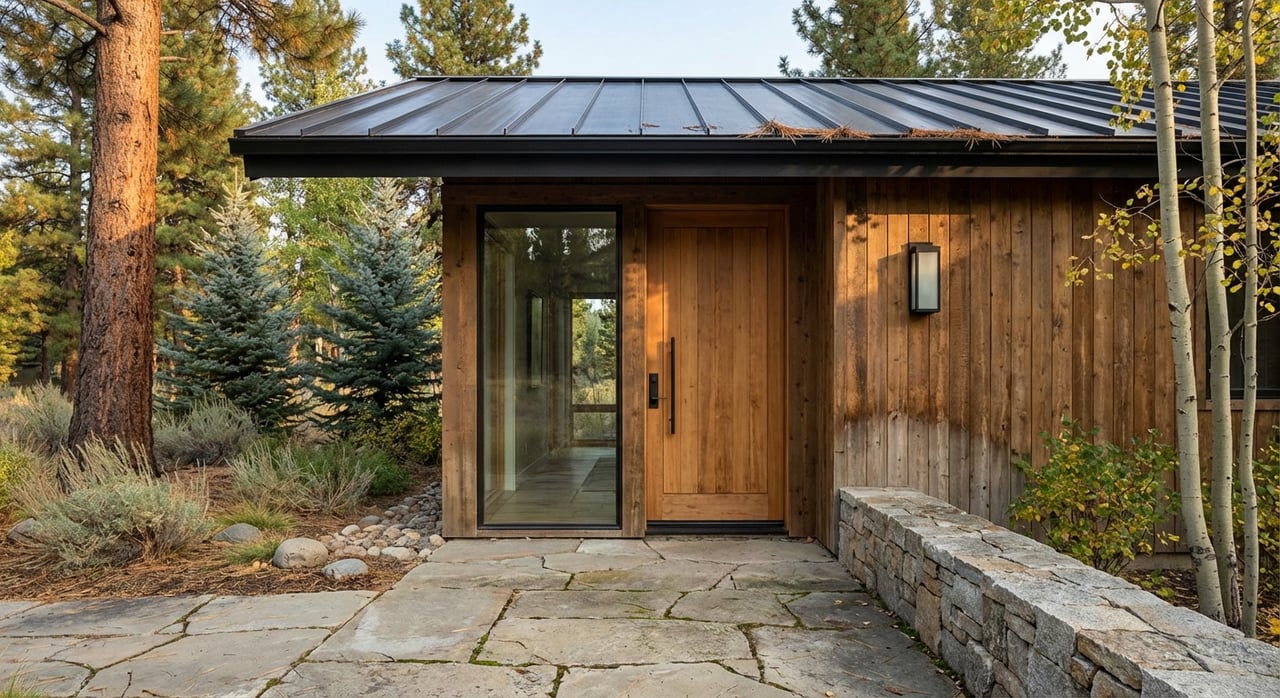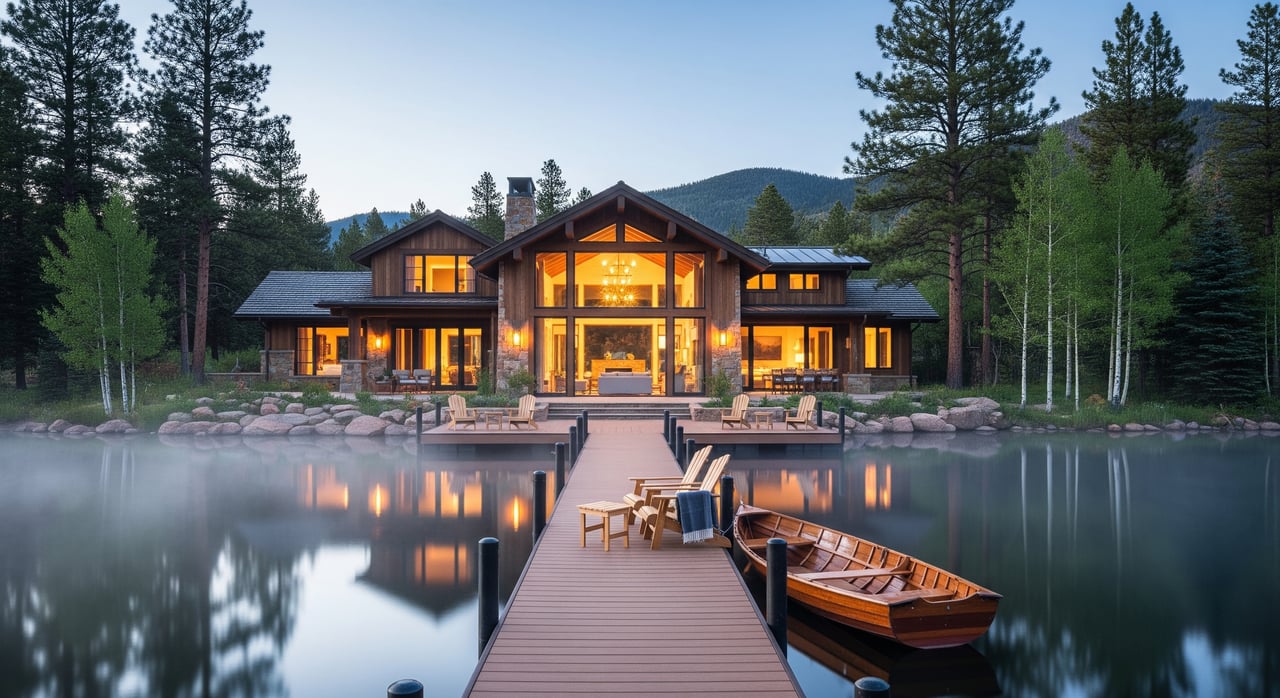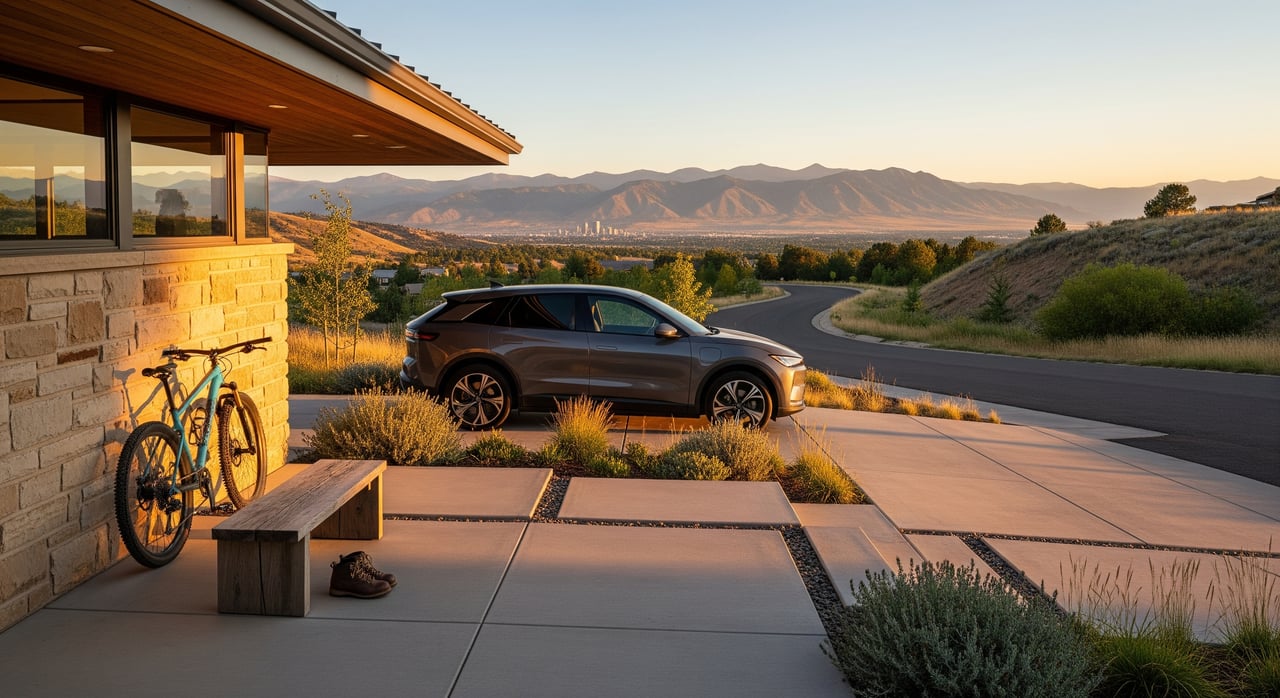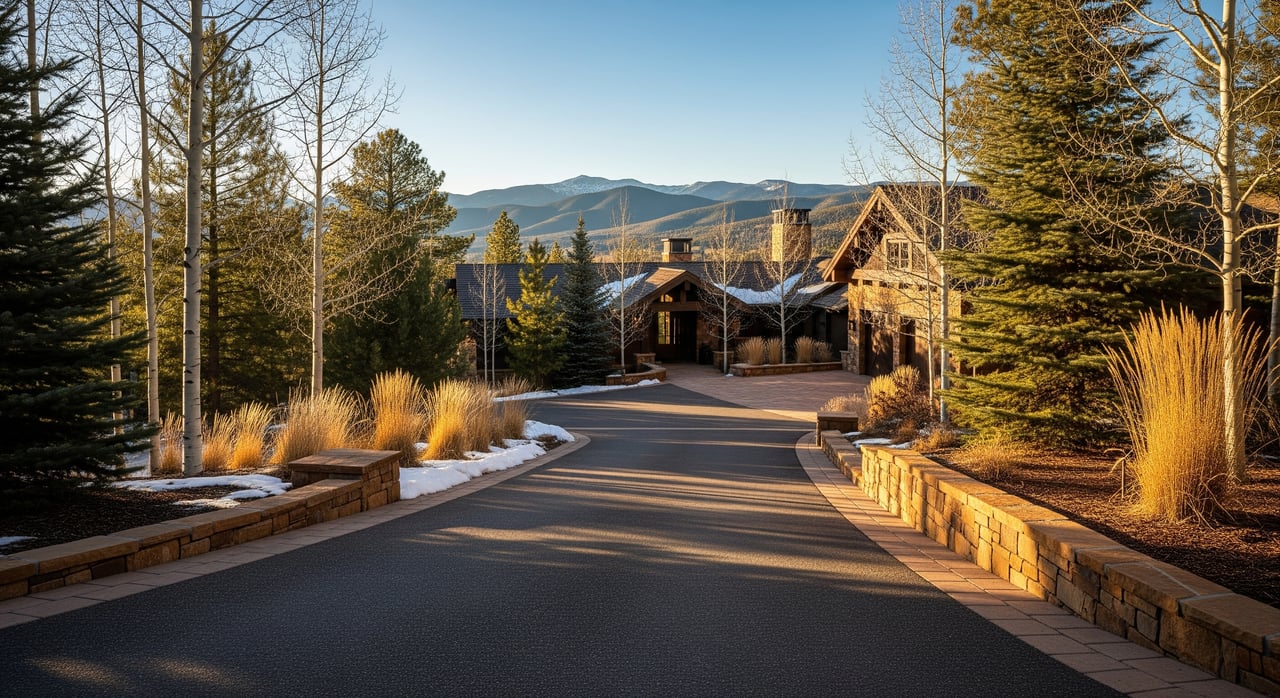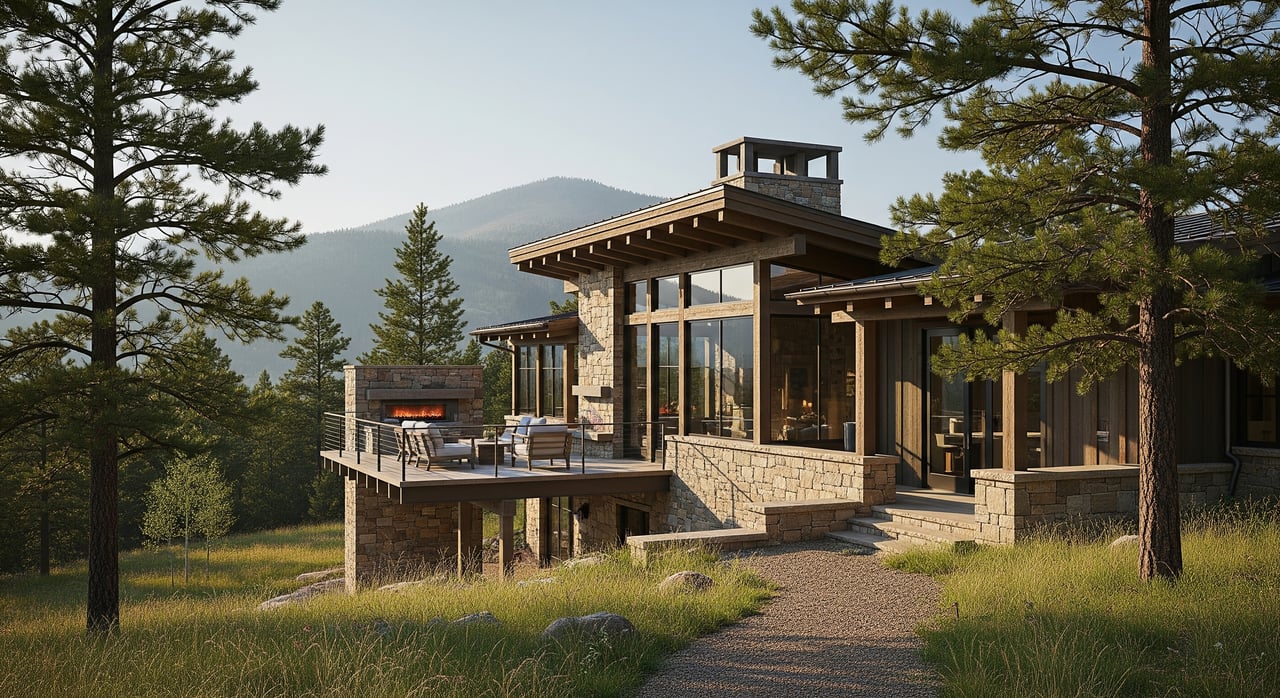
Trying to decide between Evergreen and Conifer for your next home in the foothills? Both deliver the mountain lifestyle you want, but the day-to-day feel, lot sizes, and market dynamics are not the same. You want privacy and views, yet you also need realistic commute times, reliable utilities, and insurance that works. This guide breaks down how the two markets differ so you can focus your search with confidence and avoid surprises. Let’s dive in.
Quick snapshot: Evergreen vs. Conifer
- Evergreen: Higher prices on average, more built-out, and closer to everyday services and community events around the lake and town center.
- Conifer: More rural and secluded with larger parcels, fewer total listings, and a buyer pool that values privacy and acreage.
- Both: Lower inventory than the Denver metro overall, strong seasonality, and mountain property considerations like wildfire mitigation, wells, and septic.
Prices and inventory patterns
Evergreen typically commands a price premium over Conifer. Regional market snapshots from recent years show Evergreen’s median sale price sitting above Conifer’s by a meaningful, often double-digit percentage. That premium reflects proximity to services, a walkable town core, and lake-centered amenities.
Both markets run lean on active inventory compared with the metro. Spring usually brings the most new listings and buyer activity, while late fall and winter slow down. Conifer often has fewer total listings because more properties are on larger, owner-occupied acreage, which means fewer annual transactions.
Time on market can differ by product type. Smaller-lot Evergreen homes near town often sell faster when priced well. Conifer’s larger-acreage and custom homes may take longer due to a narrower buyer pool and added complexity with appraisals, inspections, and financing.
Land, lots, and utilities
If lot size drives your decision, the contrast is clear. Evergreen offers a mix of 0.2 to 2 plus acre lots in developed neighborhoods near the lake and town center, with pockets of larger acreage on the outskirts. Conifer shows a higher share of 1 to 40 plus acre parcels, including many in the 1 to 10 acre range, along with more custom homes and ranch-style properties.
Utility setups vary by location. In core Evergreen neighborhoods, you are more likely to find municipal water and sewer, along with more extensive paved-road access. In Conifer, many homes rely on private wells and septic systems. Broadband coverage also varies, with some rural parcels depending on satellite or fixed wireless.
Wells and septic add steps to your due diligence. Expect professional inspections, water testing, and possible upgrades. Some lenders require specific documentation for these systems, so build that timeline into your offer strategy. Building on steeper or larger lots can trigger extra permitting, geotechnical review, and driveway standards, especially in rural settings.
Commute and access
Distance to downtown Denver depends on your exact neighborhood and route. Evergreen sits roughly 25 to 35 miles away, with common drive times of 30 to 50 minutes in off-peak periods. Conifer is roughly 35 to 45 plus miles out, and typical commutes can run 40 to 70 minutes depending on traffic and weather.
Major routes include State Highway 74, which can be curvy and slower, plus connections to C-470 and I-70 for metro access. Transit options are limited in the foothills. Some residents drive to park-and-ride lots along C-470, but most rely on personal vehicles.
Winter weather matters. Snow and ice on two-lane mountain roads and steep grades can add time or cause closures. If your employer supports hybrid work, that flexibility can make foothills commuting more practical year-round.
Lifestyle and amenities
Evergreen has a defined town center with restaurants, galleries, grocery and specialty shops, health services, and Evergreen Lake for year-round recreation and events. The area near the lake is more walkable, and there is a strong community and arts culture.
Conifer’s services are more dispersed. You will find grocery, dining, and healthcare options, but larger shopping trips often mean driving to Evergreen, Littleton, or the broader metro. Recreation leans into deeper forest access, remote trails, and a rural, horseback or camping vibe in some areas.
Both communities are served by Jefferson County Public Schools. School boundaries and program offerings vary by address. If schools are a priority, check each specific property with the district for the most accurate information.
Emergency and health services differ by location. Evergreen generally has more proximate clinics and urgent care, while major hospitals are in the metro area. In more rural Conifer locations, response times can be longer, and wildfire evacuation planning is a community focus in both markets.
Which market fits your goals
- Choose Evergreen if your priorities include daily convenience, shorter commutes to metro jobs, town-center amenities, and community events. Expect to budget more for smaller-lot homes closer to the lake and core neighborhoods.
- Choose Conifer if privacy, acreage, onsite recreation, and a quieter setting lead your list. You will often find more acreage per dollar, with the tradeoff of longer commutes, private utilities, and rural maintenance responsibilities.
Buyer checklist for foothills homes
- Set firm non-negotiables: max commute time, minimum lot size, utility preferences, and budget range.
- Confirm utility setup: municipal water and sewer versus well and septic, plus broadband availability.
- Budget for mountain due diligence: well and septic inspections, water testing, and possible upgrades.
- Review wildfire planning: recent mitigation, defensible space, roofing and vent materials, and insurance quote timing.
- Check access: driveway slope, winter plowing obligations, and any private road maintenance agreements.
- Verify records: well logs, septic permits, county permits for additions, assessor acreage, and any easements.
- Line up the right team: lender experienced with rural properties and an inspector familiar with mountain systems.
Common tradeoffs to plan for
- Insurance and wildfire: Rates and eligibility can vary with mitigation, roof type, topography, and vegetation. Contact insurers early and gather documentation from the seller.
- Rural maintenance: Plan for snow removal, longer driveways, potential road association dues, and longer utility response times for very rural parcels.
- Financing complexity: Custom homes on acreage, wells, and septic can add appraisal and underwriting steps. Start conversations with your lender at the outset.
How to compare homes side by side
- Drive your commute during peak hours from each target neighborhood.
- Map service access for groceries, clinics, and schools you plan to use.
- Confirm utility setups in writing and schedule specialized inspections.
- Request seller records early: well logs, septic reports, mitigation work, road agreements, and any winter access notes.
- Get preliminary insurance quotes before you finalize your offer strategy.
The bottom line
If convenience and community are central to your daily routine, Evergreen is likely your best match. If you value acreage, privacy, and a quieter rhythm, Conifer often delivers more land for the money. In both places, planning for wells, septic, wildfire readiness, and winter access will make your purchase smoother and your living experience better.
Ready to compare specific neighborhoods and properties with a foothills specialist at your side? Reach out to John Wann for local guidance, practical due diligence, and a buying plan tailored to your goals.
FAQs
What are the biggest price differences between Evergreen and Conifer?
- Evergreen typically carries higher median sale prices, often by a double-digit percentage compared with Conifer, reflecting closer access to services and lake-centered amenities.
How do commute times compare to downtown Denver?
- Evergreen commonly runs about 30 to 50 minutes off-peak depending on location and route, while Conifer often ranges from about 40 to 70 minutes based on conditions.
What lot sizes are typical in each market?
- Evergreen features many 0.2 to 2 plus acre lots near the core, with some larger parcels on the outskirts, while Conifer has more 1 to 40 plus acre properties with a strong 1 to 10 acre presence.
Will I likely have well and septic in Conifer?
- Many Conifer properties rely on private wells and septic systems, which require inspections, water testing, and possible upgrades that can affect timelines and financing requirements.
How does seasonality affect buying in the foothills?
- New listings and showings typically slow in late fall and winter and pick up in spring, with larger-acreage sellers often listing in late spring or early summer.